The Blueprint for Recovery: Why Professional Water Damage Mitigation Matters
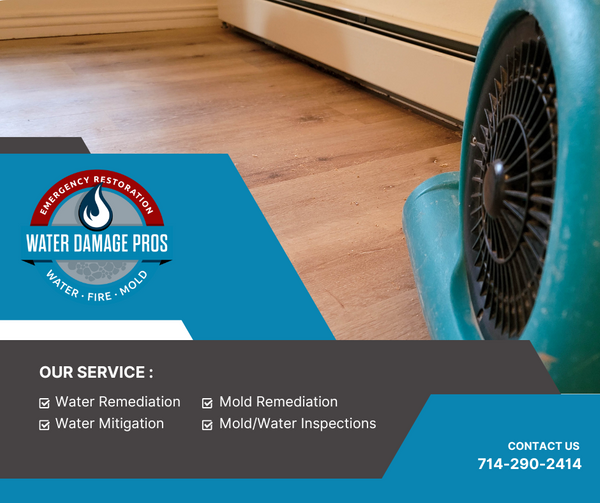
Water damage is one of the most deceptive and destructive forces a property owner can face. Whether it stems from a burst pipe in the middle of the night, a slow and hidden appliance leak, or severe flash flooding, the clock starts ticking the moment moisture meets your floors.
While it’s tempting to grab a mop and a few household fans, true water restoration is a highly technical process. Here is a detailed look at why professional water damage mitigation is essential to protecting both your property's structural integrity and your family's health.
1. The Hidden Physics of Water Damage
When water enters a building, it doesn't just sit on the surface. It behaves according to the laws of thermodynamics and fluid mechanics, migrating rapidly to the driest areas it can find.
-
Capillary Action: Water travels upward through drywall, insulation, and framing timbers, often climbing several feet above the actual standing water line.
-
Secondary Damage: As standing water evaporates, it dramatically increases indoor relative humidity. If this airborne moisture isn't controlled, it condenses on cool surfaces elsewhere in the building, ruining electronics, peeling paint, and warping wood far from the original leak.
Professional technicians utilize specialized physics-based equipment—like penetrating and non-penetrating moisture meters and thermal imaging infrared cameras—to track this hidden migration path without tearing down your walls prematurely.
2. The Three Categories of Water
Not all water is created equal. The industry standard for restoration (IICRC S500) classifies water into three categories based on the level of contamination:
Attempting to clean Category 2 or 3 water with DIY methods poses severe health risks and can permanently cross-contaminate your home's HVAC system.
3. The Professional Restoration Process
True water mitigation is a multi-step scientific process designed to return a structure to its "pre-loss condition."
Phase 1: Inspection and Assessment
Using thermal imaging, pros map out the exact boundaries of the moisture. They identify the water category and class (the rate of evaporation based on materials involved) to formulate a targeted drying plan.
Phase 2: Rapid Water Extraction
Before drying can begin, standing water must be physically removed. Submersible pumps and truck-mounted vacuum extraction units remove hundreds of gallons of water in minutes. Physical extraction is exponentially faster and more efficient than relying on evaporation alone.
Phase 3: Specialized Structural Drying
Once the standing water is gone, the property may look dry, but the subfloors and studs are still saturated. Pros deploy an engineered layout of:
-
Industrial Air Movers: High-velocity fans that break up the stagnant, saturated boundary layer of air directly above wet materials, accelerating evaporation.
-
LGR (Low-Grain Refrigerant) Dehumidifiers: Advanced machines that pull moisture out of the air, lowering the vapor pressure so the materials can continue to bleed out deep-seated water.
Phase 4: Cleaning and Sanitizing
Water damage often brings unpleasant odors and microbial threats. Technicians apply EPA-registered antimicrobial treatments to halt mold spores in their tracks and utilize air scrubbers equipped with HEPA filters to sanitize the indoor air quality.
4. The 48-Hour Mold Window
The most compelling argument for speed is mold. Mold spores exist naturally everywhere in the air, but they require moisture, a food source (like drywall or wood), and stagnant air to colonize.
The Golden Rule of Mitigation: Mold can begin to grow and colonize within 24 to 48 hours of initial water exposure.
Once mold takes root, simple water extraction is no longer enough; you shift into a much more expensive and invasive mold remediation project. Professional water damage experts prioritize rapid stabilization specifically to bypass this 48-hour window.
Summary: Protecting Your Investment
Water damage is a progressive disaster. What begins as a small puddle can evolve into compromised structural framing, ruined subfloors, and hazardous mold growth within just a couple of days. Partnering with a dedicated certified professional ensures that the extraction is complete, the drying is scientifically verified, and your property is genuinely safe to inhabit once again.
Comments
Post a Comment